


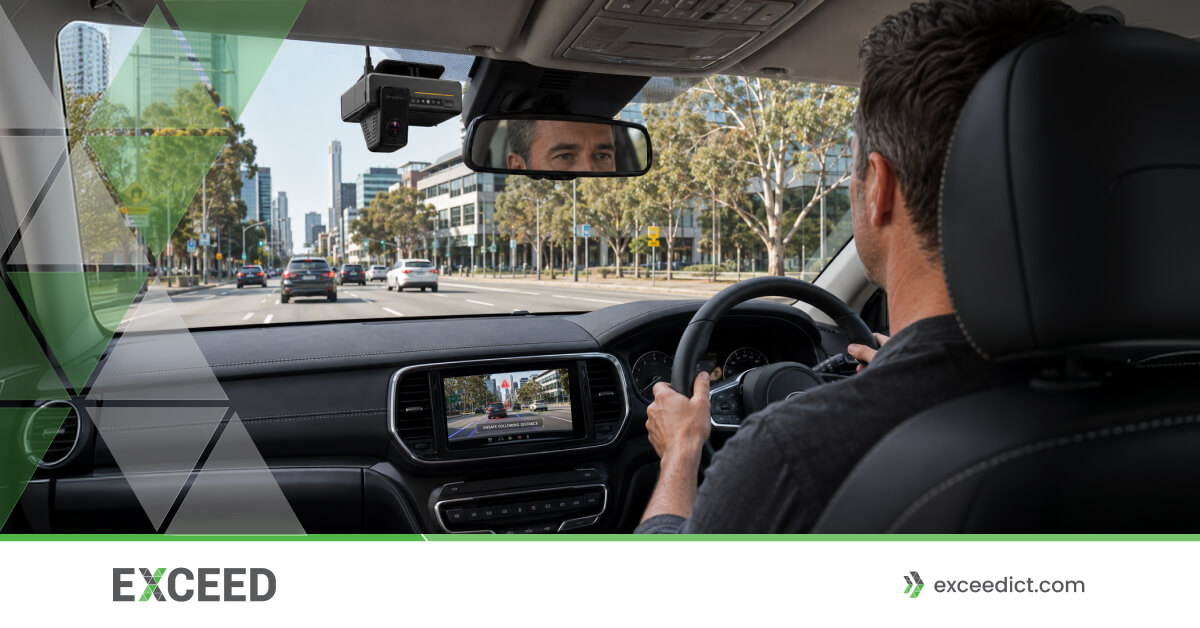
Modern vehicles are becoming significantly more intelligent, connected, and capable of helping drivers make safer decisions on the road. At the heart of this transformation is the ADAS camera, a critical component of Advanced Driver Assistance Systems (ADAS) that uses artificial intelligence, computer vision, and real-time data processing to monitor the driving environment and assist motorists before hazards become accidents.
Across Australia, ADAS technology is rapidly becoming standard in passenger vehicles, commercial fleets, public transport, mining vehicles, construction equipment, and government fleets. As organisations increasingly embrace connected vehicle technologies, ADAS cameras are also playing an important role in improving operational efficiency, reducing accident risks, lowering insurance costs, and supporting compliance with workplace health and safety requirements.
EXCEED ICT supports Australian organisations by delivering intelligent ADAS camera solutions, connected vehicle technologies, AI-powered video analytics, telematics, and real-time fleet monitoring. By combining advanced driver assistance technologies with IoT connectivity and cloud-based analytics, businesses can gain valuable insights that improve road safety, reduce operational costs, and optimise fleet performance across Australia.
What Is an ADAS Camera?
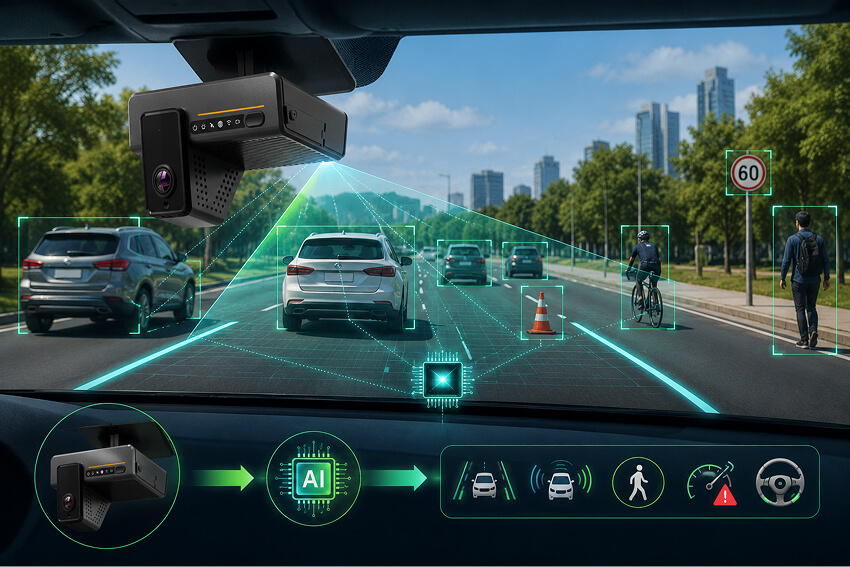 An ADAS camera is a specialised imaging device installed in a vehicle to continuously monitor the road, surrounding traffic, pedestrians, cyclists, lane markings, and road signs. Unlike conventional dash cameras that primarily record footage for evidence, an ADAS camera actively analyses the environment using artificial intelligence and computer vision.
Mounted behind the windscreen or integrated into the vehicle’s body, the camera captures high-resolution images multiple times every second. These images are processed by onboard software that identifies potential hazards and assists the driver through visual, audible, or automatic interventions.
ADAS cameras form the foundation of many modern safety systems by providing real-time information that enables the vehicle to recognise changing road conditions almost instantly.
Rather than replacing the driver, these systems act as an intelligent co-pilot, helping reduce human error while allowing drivers to remain fully responsible for operating the vehicle.
What Is ADAS in a Car?
ADAS stands for Advanced Driver Assistance Systems. It refers to a collection of intelligent technologies designed to improve vehicle safety by monitoring the driving environment and assisting the driver when necessary.
Modern ADAS systems combine information from several technologies, including:
- High-definition cameras
- Radar sensors
- Ultrasonic sensors
- LiDAR (on selected vehicles)
- GPS positioning
- Vehicle telematics
- Artificial Intelligence (AI)
Each technology performs a different task. Cameras recognise objects and lane markings, radar measures distance and vehicle speed, ultrasonic sensors assist with parking, while AI combines all available information to make intelligent driving decisions. The result is a safer driving experience with reduced risk of collisions and improved situational awareness.
How ADAS Cameras Work?
An ADAS camera constantly scans the road ahead, collecting visual information about the vehicle’s surroundings.
Every second, the camera captures numerous images which are analysed using sophisticated AI algorithms capable of recognising:
- Lane markings
- Road signs
- Traffic signals
- Pedestrians
- Cyclists
- Motorcycles
- Vehicles
- Road obstacles
- Speed limit signs
Once detected, the system determines whether there is any potential danger. For example, if the vehicle unintentionally drifts across lane markings without indicating, the ADAS camera immediately detects the movement and activates a Lane Departure Warning.
If traffic suddenly slows ahead, the Forward Collision Warning system alerts the driver. Should the driver fail to react, Automatic Emergency Braking may activate to reduce or avoid the impact.
Because these decisions happen in milliseconds, ADAS cameras provide an additional layer of protection that human reaction alone cannot always achieve.
Key Features of Modern ADAS Camera Systems
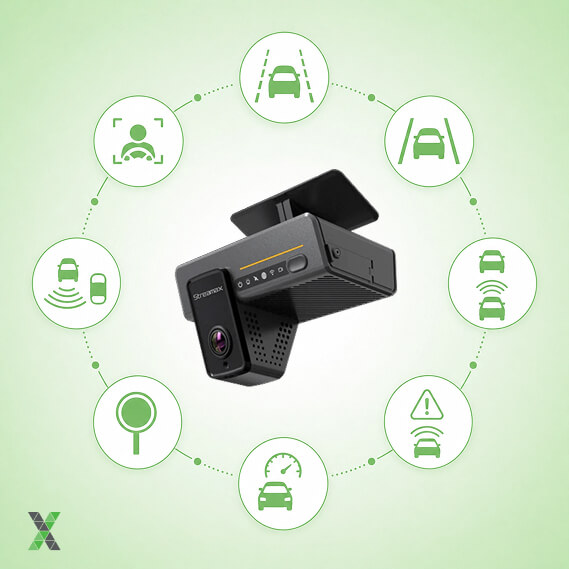 ADAS cameras support an impressive range of intelligent safety functions.
Lane Departure Warning (LDW)
The system monitors road lane markings and warns the driver whenever the vehicle unintentionally moves outside its lane. This feature is particularly valuable during long highway journeys where fatigue can reduce concentration.
Lane Keeping Assist (LKA)
Unlike a simple warning, Lane Keeping Assist actively helps steer the vehicle back into its lane if the driver fails to respond. This significantly reduces the likelihood of sideswipe collisions and run-off-road accidents.
Forward Collision Warning (FCW)
Using continuous object recognition, the ADAS camera calculates the distance between your vehicle and the vehicle ahead. If a collision appears likely, the driver receives an immediate warning.
Automatic Emergency Braking (AEB)
If the driver does not react quickly enough, the vehicle may automatically apply the brakes to reduce collision severity or prevent the accident altogether.
Adaptive Cruise Control
Combined with radar technology, ADAS cameras help maintain a safe following distance by automatically adjusting vehicle speed. This reduces driver fatigue during long-distance travel.
Traffic Sign Recognition
The camera reads roadside signs and displays important information such as:
- Speed limits
- School zones
- No overtaking areas
- Road works
- Warning signs
This helps drivers remain aware of changing road conditions.
Blind Spot Monitoring
Although primarily radar-assisted, ADAS cameras contribute additional visual verification when monitoring adjacent lanes.
Driver Monitoring Systems
Some advanced ADAS solutions include inward-facing AI cameras that monitor:
- Eye movements
- Head position
- Phone usage
- Fatigue
- Distraction
- Seatbelt compliance
These systems can alert drivers before dangerous behaviour results in an accident.
Benefits of ADAS Cameras for Australian Drivers
Australia’s diverse road conditions create unique safety challenges.
Drivers regularly encounter:
- Long-distance rural travel
- Wildlife crossings
- Heavy freight traffic
- Congested urban roads
- Extreme weather
- Remote highways
ADAS cameras provide significant safety benefits in each of these environments. One of the greatest advantages is earlier hazard detection. Cameras continuously scan areas that drivers may overlook, reducing reaction times when unexpected events occur.
Driver fatigue remains one of Australia’s leading causes of serious road accidents. ADAS systems assist by monitoring lane position, steering behaviour, and driver attentiveness, providing timely alerts before fatigue becomes dangerous.
The technology also improves visibility during poor weather conditions by detecting road markings and surrounding vehicles more accurately than the human eye alone in certain situations.
For everyday motorists, this translates into greater confidence, improved awareness, and a safer driving experience.
ADAS Cameras for Commercial Fleets
Commercial fleet operators face unique challenges when managing hundreds or thousands of vehicles operating across Australia.
Safety incidents can result in:
- Vehicle downtime
- Insurance claims
- Legal liability
- Increased operating costs
- Driver injuries
- Reputational damage
ADAS cameras help minimise these risks through proactive monitoring and intelligent safety alerts. Fleet operators can monitor driver behaviour, identify risky driving patterns, and implement targeted coaching programs to improve performance.
Many systems record critical driving events, providing valuable evidence during insurance investigations and incident reviews. Integrated with telematics platforms, ADAS cameras provide real-time visibility into fleet operations while supporting safer and more efficient vehicle management.
Connected Vehicles and ADAS Technology
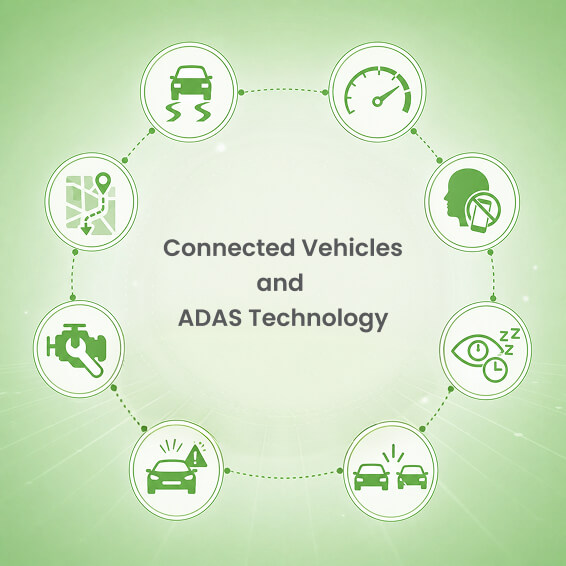 Modern vehicles are no longer isolated machines. They have become connected devices capable of communicating with cloud platforms, fleet management software, and enterprise systems.
Connected vehicle technology allows information generated by ADAS cameras to be shared securely across an organisation.
Fleet managers can receive alerts for:
- Harsh braking
- Speeding
- Driver distraction
- Fatigue events
- Near misses
- Collision warnings
- Vehicle health
- Route deviations
When combined with artificial intelligence, this information becomes valuable business intelligence.
EXCEED ICT helps organisations harness connected vehicle data through integrated telematics, IoT connectivity, cloud platforms, and intelligent analytics that improve operational visibility across entire fleets.
ADAS Camera Applications Across Australian Industries
ADAS technology is transforming numerous industries.
- Transport and Logistics: Fleet operators use ADAS cameras to improve driver safety, optimise routes, reduce incidents, and lower insurance costs.
- Mining: Mining vehicles operate in hazardous environments where visibility can be limited. ADAS technology assists operators by detecting obstacles, monitoring fatigue, and reducing collision risks.
- Construction: Construction vehicles frequently operate around workers, heavy equipment, and changing site conditions. ADAS cameras improve situational awareness and help prevent workplace accidents.
- Utilities: Utility providers rely on mobile workforces travelling long distances across regional Australia. ADAS cameras enhance driver safety while supporting fleet management initiatives.
- Government Fleets: Local councils and government departments use intelligent vehicle technologies to improve employee safety, monitor compliance, and reduce operational costs.
- Emergency Services: Police, ambulance, and emergency response vehicles benefit from enhanced situational awareness during high-pressure driving situations.
- Public Transport: Bus operators utilise AI-powered cameras to improve passenger safety, monitor driver behaviour, and reduce accident risks.
Understanding ADAS Calibration
An ADAS camera is only effective when it is correctly calibrated. Calibration ensures the camera accurately interprets distances, angles, lane markings, and surrounding objects. Even a slight misalignment can significantly reduce the accuracy of safety systems.
Calibration is commonly required after:
- Windscreen replacement
- Vehicle collisions
- Suspension repairs
- Wheel alignment
- Sensor replacement
- Camera replacement
There are two primary calibration methods. Static calibration is performed inside a workshop using specialised targets and manufacturer-approved equipment. Dynamic calibration requires driving the vehicle under controlled conditions while diagnostic software recalibrates the sensors in real time.
Ignoring calibration can lead to inaccurate warnings, delayed braking responses, or failure to detect hazards correctly, making professional calibration an essential part of vehicle maintenance.
Choosing the Right ADAS Camera Solution
Not all ADAS camera systems provide the same capabilities. Organisations should evaluate solutions based on camera quality, AI performance, connectivity, integration, and scalability.
Important considerations include:
- High-resolution image quality
- AI-powered object detection
- Low-light performance
- Real-time driver alerts
- Cloud connectivity
- Secure video storage
- Integration with telematics platforms
- Cybersecurity features
- Remote software updates
- Scalability across growing fleets
Choosing a solution that integrates with existing fleet management systems allows organisations to maximise operational efficiency while reducing implementation complexity.
The Future of ADAS Cameras in Australia
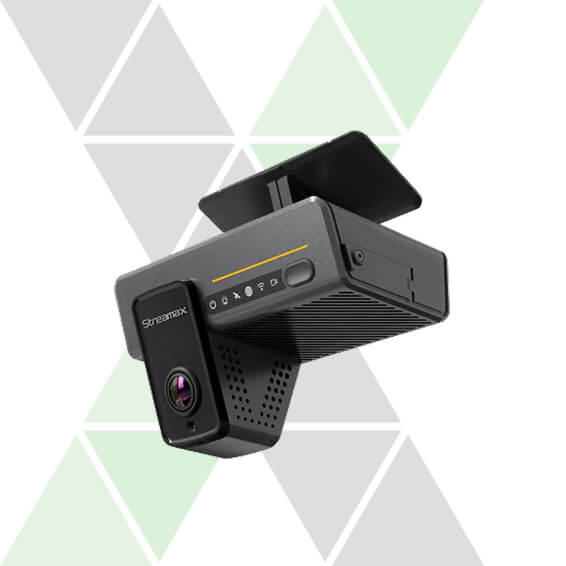 As vehicle technology continues to evolve, ADAS cameras will become even more intelligent. Artificial intelligence will improve object recognition, predictive risk analysis, and autonomous decision-making. Edge computing will enable faster processing directly within the vehicle, reducing response times and improving reliability.
The rollout of 5G connectivity and Vehicle-to-Everything (V2X) communication will allow vehicles to exchange information with infrastructure, traffic signals, and other connected vehicles, enhancing road safety and traffic efficiency.
For Australian businesses, these advancements will support smarter fleet operations, predictive maintenance, and data-driven transport strategies.
How EXCEED ICT Supports Connected Vehicle Safety?
EXCEED ICT provides comprehensive connected vehicle solutions that help organisations improve safety, efficiency, and operational visibility. By combining ADAS camera technology with IoT connectivity, AI analytics, telematics, and cloud platforms, EXCEED ICT enables businesses to monitor vehicle performance, identify risks, and make informed decisions in real time.
Its solutions include intelligent AI dash cameras, Fleet View monitoring, Driver Monitoring Systems, Vehicle as a Node (VaaN), Telstra Enterprise Wireless connectivity, predictive vehicle analytics, and managed IoT services. These technologies work together to deliver real-time insights that help reduce accidents, improve driver behaviour, optimise fleet performance, and support compliance across a wide range of industries.
Conclusion
ADAS cameras are reshaping the future of road safety in Australia by providing drivers and fleet operators with intelligent, real-time assistance that helps prevent accidents and improve operational performance. As connected vehicle technologies continue to advance, integrating ADAS with AI, telematics, and cloud-based analytics will become increasingly important for organisations seeking to improve safety, efficiency, and compliance.
Whether managing a single commercial vehicle or a nationwide fleet, investing in modern ADAS camera solutions can deliver measurable benefits, from reducing collision risks and lowering operating costs to enhancing driver wellbeing and supporting smarter mobility strategies. With expertise in connected vehicles, IoT, and intelligent fleet technologies, EXCEED ICT is well positioned to help Australian organisations embrace the next generation of safer, data-driven transport solutions.
Improve Fleet Safety with Intelligent ADAS Camera Solutions
Ready to make your fleet safer, smarter, and more efficient? EXCEED ICT delivers advanced ADAS camera solutions, AI-powered driver monitoring, connected vehicle technologies, and real-time telematics designed for Australian businesses. Whether you manage a small commercial fleet or a large enterprise operation, our experts can help you reduce accidents, improve driver behaviour, strengthen compliance, and gain complete visibility across your vehicles.
Contact EXCEED ICT today to discover how our intelligent connected vehicle solutions can help your organisation improve road safety, optimise fleet performance, and drive operational excellence across Australia.
Call us on 1300 832 639 or simply search “Exceed ICT” on Google Maps to find a location near you and connect with our team today.
We also provide Managed Services, Asset Management, IoT Helpdesk, Fleet Management, Project Management, Telecoms Expense Management.
Improve Your Business Core values, Business Consulting, Network Management, Telstra Adaptive Mobility, Device Enrolment, and many more Solutions.
Find us (Exceed ICT) on Google map.